

Cultural influences on gambling behaviors around the world
Historical Context of Gambling
The practice of gambling has deep roots in human history, tracing back thousands of years. Ancient civilizations, such as the Chinese and Romans, engaged in various forms of betting on games and events. These early forms of gambling laid the groundwork for today’s modern casinos and betting systems, showcasing how cultural norms shaped these activities. The acceptance of gambling in various societies often depended on the prevailing beliefs, economic conditions, and social structures. For instance, you can find more information on icefishinguk.uk where engaging themes are featured.
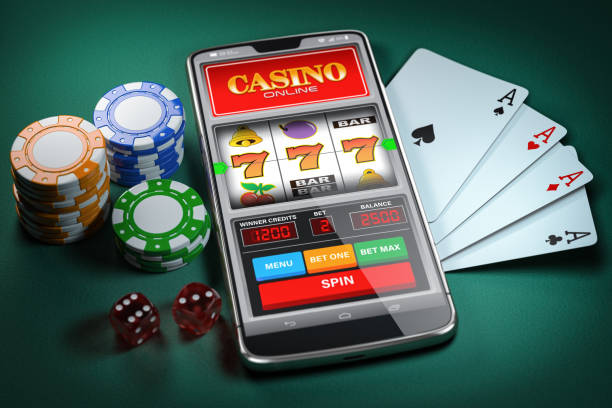
For example, in ancient China, gambling was not only a form of entertainment but also a way to connect with cultural traditions and rituals. Games of chance were often associated with spiritual significance, reflecting the values of the society. Similarly, in Rome, betting was prevalent among the elite, indicating a blend of social status and gaming. Such historical contexts reveal that gambling behaviors are often influenced by cultural legacies and societal norms that vary from one region to another.
The evolution of gambling continues to be affected by historical events and cultural changes. In the modern era, the proliferation of technology has transformed traditional gambling into a global phenomenon. Online casinos, mobile apps, and sports betting platforms have emerged, making gambling more accessible. However, these advancements are viewed differently in various cultures, often leading to debates on morality, legality, and the effects of gambling on society. Thus, the historical context of gambling serves as a foundation for understanding contemporary behaviors influenced by culture.
Cultural Attitudes Towards Gambling
Cultural attitudes towards gambling vary significantly around the world, shaped by religious beliefs, social norms, and economic conditions. In some cultures, gambling is seen as a legitimate form of entertainment and a way to engage with community events, while in others, it is viewed with skepticism or outright disapproval. For instance, countries like the United States have a relatively liberal stance on gambling, seeing it as a source of revenue and recreation, reflected in the popularity of Las Vegas and other gaming hubs.
Conversely, nations such as Islamic countries often impose strict prohibitions against gambling, considering it immoral based on religious teachings. This dichotomy highlights how cultural beliefs directly influence gambling behaviors. In many regions, public sentiment can affect legislation, leading to the opening or closure of casinos and betting establishments. Understanding these cultural attitudes is crucial for comprehending the varying degrees of gambling participation and acceptance around the globe.
Additionally, cultural perspectives on gambling can dictate how people engage with it. For example, in some Asian cultures, the concept of “face” plays a critical role, where gambling can either enhance or diminish one’s social status. This cultural nuance influences not only who participates in gambling but also how they behave within those contexts. Understanding these cultural attitudes allows for a more nuanced view of gambling behaviors and the motivations behind them.
The Role of Media and Marketing
Media representations and marketing strategies significantly influence gambling behaviors worldwide. The portrayal of gambling in films, television shows, and advertisements shapes public perception, often glamorizing the lifestyle associated with high-stakes gaming. In places like the United States, Hollywood films frequently depict casino life as glamorous and exciting, encouraging participation in gambling activities. Such media portrayals can normalize gambling, making it more appealing to a broader audience.
On the other hand, regions with stricter cultural attitudes towards gambling may use more conservative marketing strategies or even limit advertising to adhere to social norms. For example, in countries where gambling is frowned upon, promotional content may focus on responsible gambling practices to mitigate societal backlash. This strategic approach reflects an understanding of cultural sensitivities and plays a crucial role in shaping how gambling is perceived within different communities.
Moreover, social media has transformed how gambling companies interact with potential customers, allowing for targeted advertising based on user behavior and interests. This modern approach creates a personalized experience, often drawing users into gambling activities. However, the impact of such marketing tactics raises ethical questions, particularly concerning addiction and responsible gambling. As the global gambling landscape evolves, the intersection of media, marketing, and cultural influences continues to shape gambling behaviors.
Influence of Legal Frameworks
The legal status of gambling in various countries profoundly affects how individuals engage in these activities. In jurisdictions where gambling is legalized and regulated, there is often a higher level of participation, accompanied by established consumer protections. For example, the legalization of sports betting in the United States has led to a significant increase in betting activities, demonstrating how regulatory frameworks can either promote or hinder gambling behaviors.
In contrast, countries with strict anti-gambling laws often experience underground gambling operations, which can lead to unregulated and potentially dangerous environments. Cultural attitudes towards these legal frameworks play a pivotal role in shaping public compliance and participation. In societies where gambling is legally sanctioned, individuals may feel more comfortable engaging in these activities without the stigma associated with illegal betting.
Moreover, the evolving legal landscape surrounding gambling reflects changing societal norms and attitudes. As more countries consider legalization, cultural dialogues emerge about the implications of gambling on community health and moral values. This ongoing discourse underscores the significant interplay between legal frameworks and cultural influences on gambling behaviors worldwide, emphasizing the importance of context in understanding these activities.
Gambling as a Cultural Experience
In many cultures, gambling is more than just a game; it represents a social experience that fosters community connections. Events such as traditional lotteries, local fairs, and community poker nights bring people together and create a sense of belonging. These activities often serve as social rituals that enhance community bonding, showcasing how gambling can be interwoven with cultural practices. Such communal engagements allow individuals to participate in a shared experience that transcends individual motivations.
Furthermore, various cultural festivities incorporate gambling elements, making them integral to local traditions. In some cultures, games of chance are part of celebrations, reinforcing cultural identities. For instance, during Chinese New Year, games and lotteries are common, symbolizing good fortune and prosperity. These occasions highlight how gambling intersects with cultural celebrations, serving to strengthen traditions and enhance social cohesion.
Additionally, gambling provides a unique opportunity for cultural exchange. As global travel increases and cultures blend, traditional gambling practices often merge with modern forms of gaming. This fusion creates new gambling experiences that reflect diverse cultural backgrounds, allowing individuals to explore different facets of gaming while preserving the essence of their cultural heritage. As such, gambling behaviors can serve as a lens through which to understand broader cultural dynamics and exchanges.

Exploring Online Gambling Platforms
The rise of online gambling platforms has revolutionized the way individuals engage with games of chance, introducing new cultural dynamics into the gambling landscape. Online casinos and gaming sites allow users from around the world to participate in various games, often tailored to specific cultural preferences. This accessibility presents unique challenges and opportunities as cultural influences merge in a digital environment, leading to innovative gaming experiences that cater to diverse audiences.
Websites like Ice Fishing UK represent the innovative intersection of gambling and technology, offering unique experiences that resonate with users across different cultures. By featuring live casino experiences and engaging game mechanics, these platforms create an immersive environment that attracts both casual players and seasoned gamblers. Such offerings reflect a growing trend where cultural elements are integrated into the online gaming experience, appealing to a global audience while retaining regional significance.
Moreover, the online gambling sector emphasizes the importance of responsible gaming practices, reflecting cultural sensitivities and ethical considerations. As discussions surrounding gambling addiction become more prevalent, platforms are increasingly implementing measures to promote safe gambling. This awareness not only reflects a cultural shift towards responsibility but also illustrates how online gambling can adapt to address the diverse needs of players around the globe.
About
Longhill Online Pharmacy is your one-stop pharmacy for NHS and Private Services. Our mission is to improve the quality of life for our patients by delivering prescriptions wherever you are and holding online consultations. We are dedicated to serving as trustworthy and reliable health care professionals.
How to check GPhC registration
Please visit the General Pharmaceutical Council website in the links below for information about how to check the details & registration status of the pharmacy, as well as the details & registration status of the superintendent pharmacist here.

Important Links
GPhC Registration Number:
9011849
GPhC Registered Owner:
JIMKON LTD
Pharmacy Manager:
JIM-HARRIS OMEKARA
Responsible Pharmacist Today:
UDOSEN OKON (GPhC 2067836)
Superintendent Pharmacist:
UDOSEN OKON (GPhC 2067836)
GPhC Pharmacy Address & Prescription Supplier:
Longhill Pharmacy
Unit 2c Longhill Industrial Estate,
25 Ullswater Road,
Hartlepool,
TS25 1UE